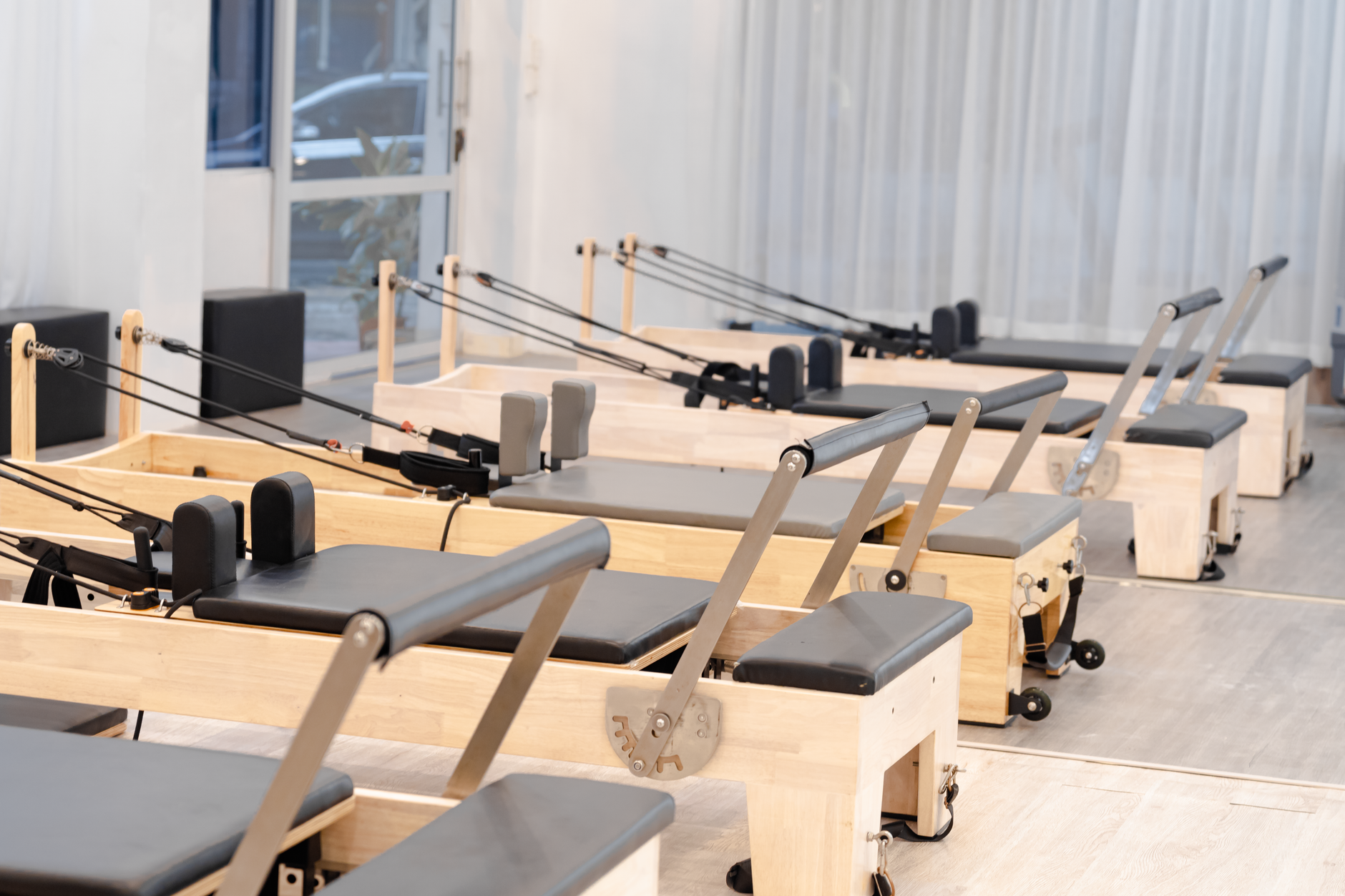
Pilates instructors insurance is the financial protection that steps in when a client gets hurt during a session, files a negligence complaint, or when your reformer damages a studio floor. Whether you teach mat classes from a hire hall, run a fully-equipped reformer studio, or visit clients at home, the right insurance policy covers the gap between a single bad day and a significant financial loss. This guide breaks down the covers available, the risks specific to the profession, and what to look for when comparing policies.
Why pilates instructors need specialist insurance
Pilates looks controlled and low-impact. That perception is part of its appeal. It doesn't mean the work is low-risk from an insurance standpoint. Clients with pre-existing conditions, spinal injuries, or joint problems attend pilates precisely because it's been recommended to them for rehabilitation. That context raises the stakes if something goes wrong.
A client who strains their back on a reformer, slips on a mat surface, or argues that your programming aggravated an injury can file a claim. Legal defence costs alone can run into tens of thousands of dollars before any settlement is reached. Without pilates instructors insurance, those costs sit with you personally.
The risks multiply if you teach group classes, use equipment like reformers, cadillacs, or wunda chairs, or provide any form of advice that overlaps with physiotherapy or rehabilitation. Similar dynamics apply to personal trainer insurance, where injury claims and negligence disputes follow a comparable pattern.
The main types of cover
Professional indemnity insurance
Professional indemnity (PI) insurance covers you against claims that your instruction, advice, or program design caused a client harm or financial loss. If a client says your session plan worsened a disc injury and they seek compensation, PI insurance covers the legal defence and any settlement up to the policy limit. This is the most critical cover for pilates instructors, particularly those working with clients who have injuries or chronic conditions.
PI policies cover claims made during the policy period, not just incidents that occur during it. That distinction matters when a client raises a complaint months after their last session with you. Check that your policy includes retroactive cover if you're switching insurers.
Public liability insurance
Public liability insurance covers third-party bodily injury and property damage claims. If a client trips over a resistance band in your studio, a visitor slips on a wet floor, or a piece of equipment damages the hire venue, public liability pays the compensation and legal costs. Most studio hire agreements and gym facility contracts require you to hold at least $10 million in public liability cover before they'll let you teach on their premises.
This cover extends to bystanders, not just paying clients. If a parent waiting in your reception area injures themselves, that claim falls under public liability too.
Product liability insurance
If you sell pilates accessories, resistance bands, foam rollers, or branded merchandise, product liability insurance covers you if a product you supply causes injury or damage. It's often bundled with public liability in a combined policy, but it's worth confirming the scope if retail sales are part of your business model.
Business equipment and contents insurance
Reformers, cadillacs, barrels, magic circles, and portable mat systems represent a significant capital investment. Business equipment insurance covers the cost of repairing or replacing that equipment after theft, accidental damage, or a covered event like fire or flood. If you transport equipment between locations, check that the policy covers items in transit, not just at a fixed address.
Income protection insurance
If injury or illness stops you from teaching, income protection insurance replaces a portion of your income during the recovery period. Pilates instructors are often sole traders with no sick leave buffer. A broken wrist or back surgery can mean weeks or months without revenue. Income protection typically replaces up to 70% of your pre-disability income after a waiting period of 14, 30, or 90 days.
Who needs pilates instructors insurance
The short answer is: anyone who teaches pilates in exchange for payment. That includes:
- Self-employed instructors running their own studio or home-based practice
- Freelance instructors teaching at gyms, community halls, or corporate wellness programs
- Mobile instructors visiting clients at home or in workplaces
- Online pilates instructors delivering live-streamed or recorded sessions
Online delivery is worth calling out specifically. Teaching via video doesn't eliminate liability. If a client follows your instruction remotely and injures themselves, a professional indemnity claim is still possible. Check that your policy explicitly covers online and virtual instruction.
Instructors who also integrate techniques from physiotherapy, myofascial release, or rehabilitation programming face a broader liability exposure. The closer your practice sits to clinical work, the more important it is to hold adequate PI cover. This pattern is consistent with what physiotherapist insurance addresses for registered practitioners.
What isn't typically covered
Standard pilates instructors insurance policies have exclusions worth knowing before you buy. Most policies won't cover:
- Claims arising from services you're not qualified to provide (for example, diagnosing a medical condition)
- Intentional acts or criminal conduct
- Claims by employees (these need a separate workers compensation policy)
- Cyber incidents, unless you've added a cyber liability endorsement
If you employ reception staff or subcontract other instructors, workers compensation is a legal requirement in every Australian state and territory. It doesn't come bundled with a standard pilates instructors insurance package.
How to choose the right policy
Three factors drive most buying decisions: the limit of liability, the premium, and the scope of activities covered. Don't optimise for premium alone. A policy with a $1 million PI limit might look affordable, but a contested claim involving specialist medical evidence can exhaust that limit before reaching settlement. Many studio owners and fitness associations recommend a minimum of $2 million per claim for PI cover and $10 million for public liability.
Read the product disclosure statement (PDS) carefully and pay particular attention to the definition of "professional services" in a PI policy. If the PDS doesn't list pilates instruction explicitly, ask your insurer to confirm in writing that your work falls within scope.
Membership in a professional body like Pilates Alliance Australasia often requires minimum insurance levels and can make it easier to find insurers who understand the profession. Some bodies offer group insurance arrangements as a membership benefit, which can be competitively priced.
What it typically costs
Insurance premiums for pilates instructors vary based on your annual revenue, the number of clients you teach, whether you employ staff, and the types of equipment you use. A sole trader running small mat classes pays considerably less than a studio owner with multiple reformers and a team of instructors.
As a rough guide, a combined professional indemnity and public liability policy for a sole-trader pilates instructor typically costs between $500 and $1,500 per year in Australia. That figure shifts upward if you operate a physical studio, hold significant equipment, or teach clinical rehabilitation populations. Get at least 3 quotes and compare them on the same basis: same limits, same excesses, same activity scope.
Getting covered
The process is straightforward. You'll need to provide details about your qualifications, the types of classes you teach, your estimated annual revenue, and whether you teach at a fixed location or mobile. Most pilates instructors insurance policies can be quoted and bound online in under 30 minutes.
Keep your policy documents and certificate of currency accessible. Studios and employers regularly ask for proof of insurance before allowing you to teach on their premises, and having that paperwork ready prevents delays. Review your cover annually as your business grows, especially if you add new equipment, hire staff, or expand into new service areas like reformer rehab or pre-natal pilates.