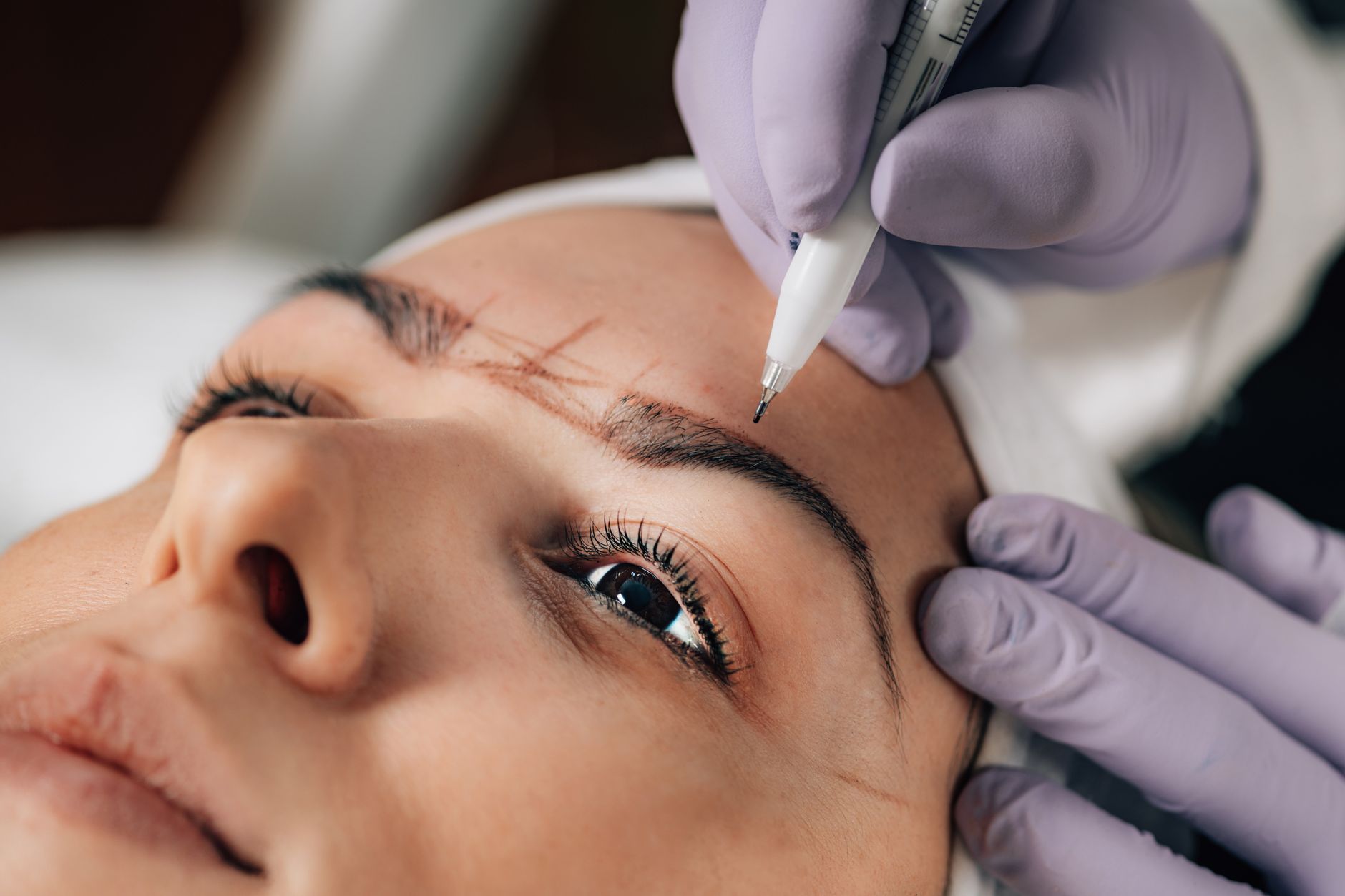
Cosmetic tattoo artists insurance is the layer of financial protection that sits between your business and the claims that can arise when you work on someone's face. Microblading, lip blush, ombre brows, and eyeliner tattooing all involve pigment, needles, and skin contact, which means the risk profile is closer to a medical-adjacent service than a standard beauty treatment. A single adverse reaction, a client who claims a procedure caused scarring, or a stolen pigment kit can cost far more than a quiet week's revenue to resolve. Getting the right cover in place before it happens is straightforward once you know what you're looking for.
Why cosmetic tattoo artists need specialist insurance
General business insurance isn't built for cosmetic tattooing. Standard public liability policies cover slips and falls, but they don't always extend to claims arising from professional advice or the application of a treatment. Cosmetic tattooing sits in a grey zone: it's a beauty service, a semi-permanent body modification, and in some Australian states, it's regulated under the same framework as skin penetration procedures. That regulatory status matters because it signals the level of risk insurers attach to the work.
Claims against cosmetic tattoo artists tend to fall into a handful of categories. A client may allege that the colour faded unevenly, that the shape of their brows wasn't what they agreed to, or that they suffered an allergic reaction to the pigment. In rare cases, a claim can involve infection or scarring. Any of these can escalate quickly if the client involves a solicitor, and defending even a baseless claim costs money. The right policy absorbs that cost instead of you.
For context, beauty therapists and beauty salons insurance addresses similar concerns for waxing, facials, and lash work, but cosmetic tattooing typically requires an explicit endorsement or a policy designed specifically for skin penetration procedures. Check the product disclosure statement carefully before assuming a standard beauty policy covers your full scope of work.
Key policies for cosmetic tattoo artists
Professional indemnity insurance
Professional indemnity insurance covers claims arising from your professional advice, technique, or service. If a client alleges that your work caused harm, that the shape you tattooed wasn't what they consented to, or that your aftercare advice led to an adverse outcome, professional indemnity responds. This is the policy most cosmetic tattoo artists overlook, because the claim isn't about an accident in the studio. It's about the quality of the service itself.
Professional indemnity policies pay for your legal defence costs and any settlement or judgment up to the policy limit. Limits of $1 million to $2 million are standard for sole operators, though artists who work in a clinic setting or hold a contract with a salon may be required to carry higher limits.
Public liability insurance
Public liability insurance covers third-party property damage and bodily injury that isn't directly tied to the professional service. If a client trips on your studio floor, if you accidentally spill pigment on their clothing, or if a contractor visiting your premises is injured, public liability responds. Most commercial lease agreements require tenants to hold at least $10 million in public liability cover, and some salon subleases and co-working beauty spaces set the same threshold.
If you're wondering whether public liability insurance is something your business actually needs, the short answer for cosmetic tattoo artists is yes. The combination of needles, pigment, and close physical contact creates a clear exposure to bodily injury claims, and landlords or salon owners will often ask for your certificate of currency before letting you operate on their premises.
Products liability insurance
Products liability sits within or alongside a public liability policy and covers claims arising from products you supply or use in your treatments. Pigments, numbing creams, and aftercare products all count. If a client has a reaction to a numbing cream you applied and claims it caused lasting skin damage, products liability covers the claim. This extension is worth confirming explicitly with your insurer, because not every public liability policy includes it by default.
Contents and equipment insurance
A cosmetic tattoo kit isn't cheap. PMU machines, needle cartridges, pigment collections, and sterilisation equipment can represent thousands of dollars in outlay. Contents insurance covers your studio equipment and consumables against theft, fire, and accidental damage. If you work mobile, travelling to clients' homes or to events, check whether your policy covers equipment in transit: some contents policies only apply to a fixed address.
Business interruption insurance
If a fire, flood, or covered event forces you to close your studio temporarily, business interruption insurance replaces the income you lose while you're unable to operate. For a sole operator who relies entirely on appointments, even two or three weeks of forced closure can create serious cash flow pressure. Business interruption cover is usually added as an extension to a property or contents policy.
What affects your premium
Insurers price cosmetic tattoo artists insurance based on a few consistent factors. Your annual revenue is the main driver: higher turnover means more clients and more exposure, so premiums scale accordingly. The procedures you perform also matter. Scalp micropigmentation and full-face treatments carry a different risk profile to simple brow work. Your qualifications and years of experience factor in too. Practitioners who hold a Certificate IV in Beauty Therapy or a recognised cosmetic tattooing qualification from an industry training body are viewed more favourably by underwriters than those who completed a weekend course.
Whether you operate from a fixed studio or work mobile is another variable. Fixed studios are easier to underwrite because the environment is controlled. Mobile operators introduce variables around hygiene compliance and equipment security that some insurers price conservatively.
State regulations and insurance requirements
Cosmetic tattooing is regulated at the state and territory level in Australia, and the requirements vary. In New South Wales, the NSW Health skin penetration regulations require operators to follow strict hygiene standards and in some cases register their premises with the local council. Victoria and Queensland have equivalent frameworks under their public health legislation. These regulations don't universally mandate insurance, but breaching them can void a policy or complicate a claim, so compliance and cover go hand in hand.
Check with your local council and state health department to confirm what's required in your area before you start taking bookings. Insurers will ask about your compliance status when you apply, and any gaps can affect whether a claim is paid.
How to choose the right policy
The most important step is reading the product disclosure statement and confirming that skin penetration procedures are explicitly covered, not merely "beauty services." Ask the insurer or broker whether microblading, machine hair strokes, and lip tattooing are included, and whether there's any exclusion for treatments involving numbing agents. If your policy has an exclusion you don't expect, you won't find out until you need to make a claim.
Compare the policy limit against your realistic worst-case scenario. A client who develops a severe allergic reaction and requires medical treatment, time off work, and ultimately pursues damages could generate a claim well above $100,000 once legal costs are included. A $1 million professional indemnity limit is a reasonable floor for most sole operators.
Running your studio as a sole trader shapes what you need to disclose and how the policy is structured. For a broader look at how the structure of your business interacts with tax and compliance obligations, the tax implications of an ABN in Australia are worth reviewing alongside your insurance setup. The two decisions sit closer together than most new operators realise.
Getting covered
Cosmetic tattoo artists insurance isn't a single product. It's a combination of professional indemnity, public liability (with products liability), contents cover, and optionally business interruption protection. The right mix depends on your studio setup, the procedures you perform, and your revenue. Get quotes that name your specific treatments, check the exclusions, and confirm that your state-level hygiene compliance is in order before your policy goes live.