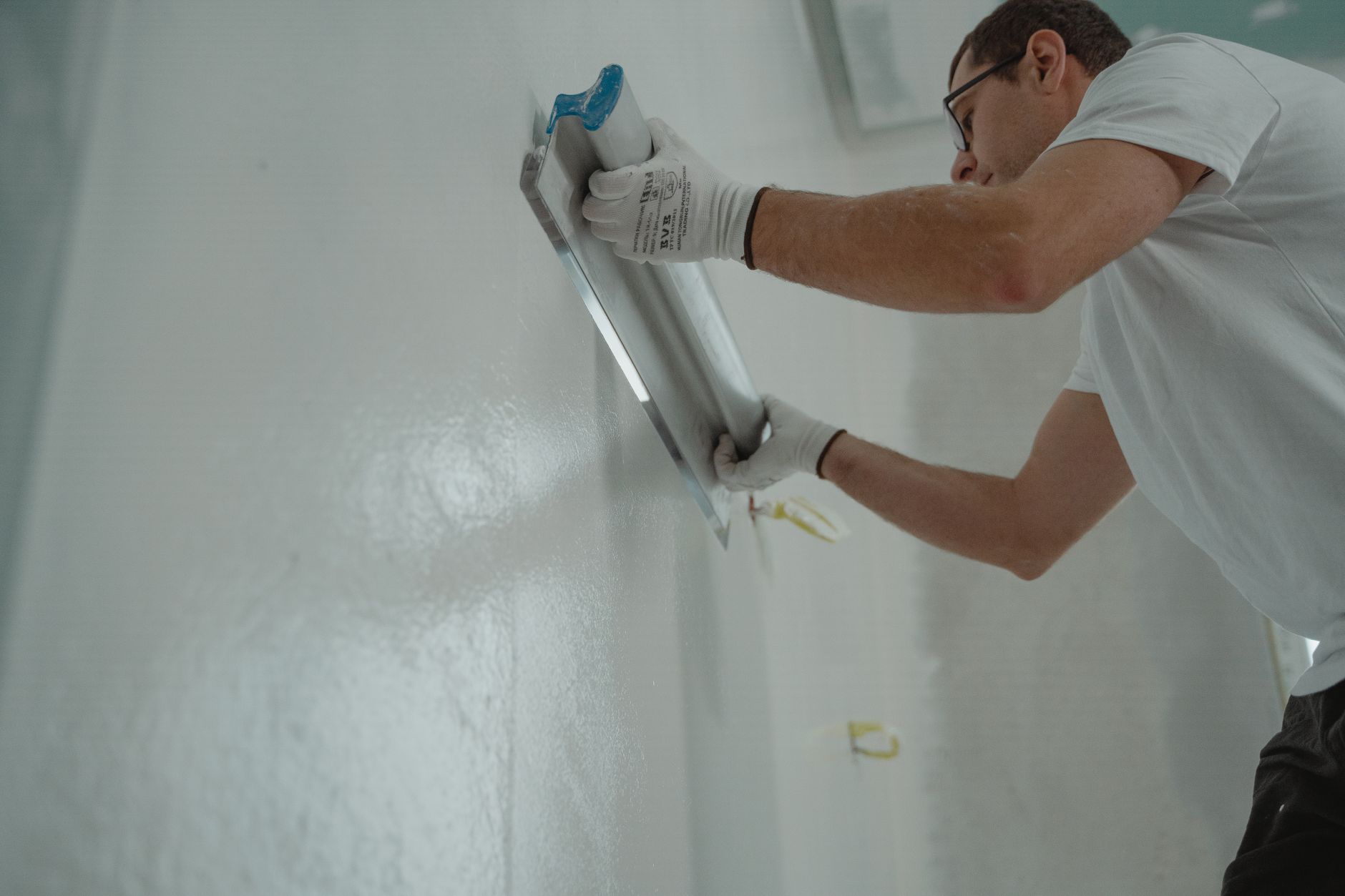
Running a plastering business means you're competing with every other tradie in your area who owns a trowel and a van. The work itself might speak for itself, but it can't speak to someone who's never heard of you. These 5 marketing tips for your plastering business will help you build visibility, win more quotes, and turn satisfied clients into a reliable source of referrals.
1. Claim and complete your Google Business Profile
When a homeowner searches "plasterer near me," the businesses that appear in the map pack get the overwhelming majority of clicks. Your Google Business Profile is the single fastest way to land in that section without spending a cent on ads.
Claim the listing if you haven't already, then fill in every field: business category ("Plastering Contractor"), service area suburbs, phone number, and hours. Upload at least 5 photos of finished jobs. The algorithm weights completeness heavily, and so do potential clients scrolling through their options at 7pm on a Tuesday.
Ask every satisfied client to leave a Google review. Four or five genuine reviews will put you ahead of competitors who have none. Don't wait weeks after the job; send a short text the day you finish, while the work is fresh in their minds.
2. Build a simple website with your work front and centre
A website doesn't need to be expensive or elaborate. It does need to exist. Clients who find you through a referral will search your name before they call. No website and the trust evaporates fast.
Three pages cover most small plastering businesses: a home page that states clearly what you do and where you work, a gallery of before-and-after project photos, and a contact page with a form and your phone number. That's it. Keep the copy focused on outcomes: smooth walls, invisible repairs, on-time finishes.
Include the suburb names you serve in your page text. This tells Google where to show you. "Plasterer in Parramatta" written naturally in a sentence is worth more than any technical SEO trick.
3. Use before-and-after photos on social media
Plastering is a visual trade. A cracked, pitted wall transformed into something flat and clean is exactly the kind of content that earns saves and shares on Instagram and Facebook. You don't need a professional photographer. A decent phone camera in good light will do the job.
Post consistently rather than occasionally. Three posts a week beats one polished post a month for building the kind of familiarity that makes people think of your name when their renovation starts. Mix project photos with short videos of work in progress; people genuinely enjoy watching a skilled plasterer work.
Tag the location in every post and use local hashtags like #[YourCity]Plasterer. It's a small habit that compounds quickly over months.
4. Build relationships with builders and real estate agents
Referrals from builders and property managers can fill a plastering schedule faster than any ad. A builder who trusts your quality and reliability will send you job after job without you lifting a finger on marketing.
Introduce yourself to local builders directly: a brief visit, a business card, and a polished example of your work on your phone. Property managers renovating investment properties need fast, reliable plasterers between tenancies. Reach out to local real estate offices and position yourself as the tradie they call for a quick turnaround.
These relationships take 3 to 6 months to pay off, but once they're established they tend to be durable. One loyal builder relationship can be worth more than a full year of ad spend.
5. Collect and display testimonials everywhere
Word of mouth drives most trade businesses. Marketing amplifies it. When a client tells you the job looks perfect, ask if they'd be willing to say that in writing. A short quote and a first name on your website, Facebook page, and quote documents does real work.
The best testimonials are specific. "Great job" helps a little. "Craig filled in all the old cornice cracks in our federation home and you'd never know they were there" helps a lot. Coach clients gently by asking: "What did you notice most about the finished result?"
If you're also thinking about the broader shape of your business, it's worth reading about business goal examples that actually drive success alongside your marketing push. And if plastering is just one of the trades you're considering, the marketing tips for carpentry businesses cover similar ground with some trade-specific angles worth borrowing.
None of these five tips require a big budget. They require consistency and the discipline to do the small things every week, not just when the calendar looks thin. A plastering business that shows up reliably online and keeps its past clients talking is one that doesn't have to chase work for long.